Mangalorean Chicken Stew
Mangalorean Chicken Stew
There is nothing more delicious than Mangalorean Chicken Stew!
29 states, 1618 languages, 6400 castes, 6 religions , 6 ethnic groups, 29
major festivals & 1 country! Nothing quite like India.
India is one of the few countries in the world that can boast of people from different backgrounds and different religions living together and enjoying and celebrating festivals of each other with the same enthusiasm as they celebrate their own. These different religions provide India with a lot of different festivals that are celebrated all year long. In fact India is a subcontinent of nationalities., with a wide variety of food that ranges from vegetarian to non- vegetarian. It would take a lifetime to learn about the different cuisines in India.
Mangalorean Protestant Cuisine is a one of a kind experience. Heavily influenced by the German & Portuguese missionaries and yet retaining the local flavours in all it’s splendour Mangalore is the chief port city of the Indian state of Karnataka. It is located about 350 kilometres (220 mi) west of the state capital, Bangalore. Mangalore lies between the Arabian Sea and the Western Ghat mountain ranges, and is the administrative headquarters of the Dakshina Kannada (formerly South Kanara) district in south western Karnataka.
Mangalore derives its name from the local Hindu Goddess Mangaladevi. It developed as a port on the Arabian Sea—remaining, to this day, a major port of India. Lying on the backwaters of the Netravati and Gurupura rivers, Mangalore is often used as a staging point for sea traffic along the Malabar Coast. The city has a tropical climate and lies in the path of the Arabian Sea branch of the South-West monsoons. Mangalore’s port handles 75 per cent of India’s coffee exports and the bulk of the nation’s cashew exports.
Mangalore was ruled by several major powers, including the Portuguese and diverse with several languages, including Tulu, Konkani, Kannada, and Beary bashe. And so we are blessed with a variety of mouth watering cuisines. Coconut and curry leaves are common ingredients in most Mangalorean dishes.
” We may live without friends, we may live without books;
But civilized man cannot live without cooks.” The Dinner Hour
Edward Robert Bulwer-Lytton, 1st earl of Lytton (1831–91)
From “Lucile”
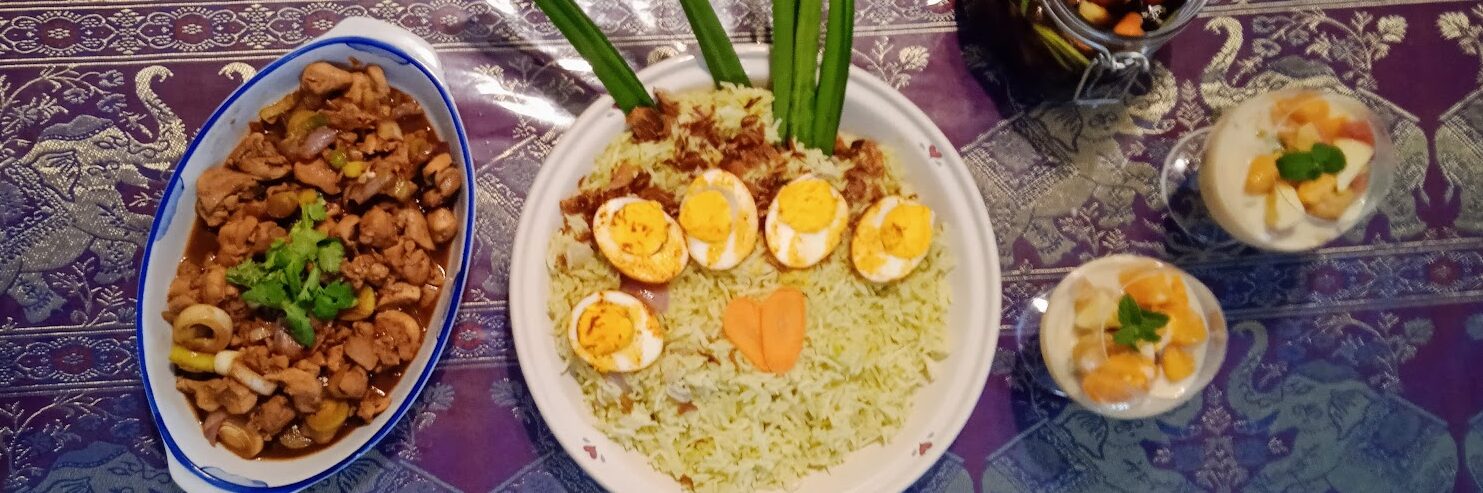
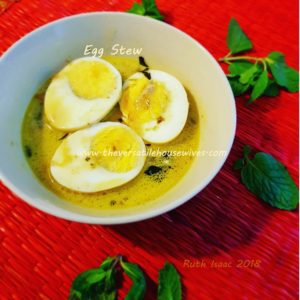
The recipe that I am going to write about today is a sort of re post. My first post was about egg stew that was a family favourite and a dish we have had countless times over the years. As children, growing up in the town of Mangalore, the smell of Stew was enough to twitch our nostrils and make us assemble meekly at the dining table. Stew can be made in a jiffy with practically any kind of meat, with vegetables, with fish, with eggs and generally eaten with pain rice or ghee rice or Aappa (Hoppers)/Appams for special occasions. We also had it with batalu dosa ( as it was called in our house), more popularly known as Sannas to the general public. These are white, fluffy idlis fermented with toddy and served for festivals and other important days.
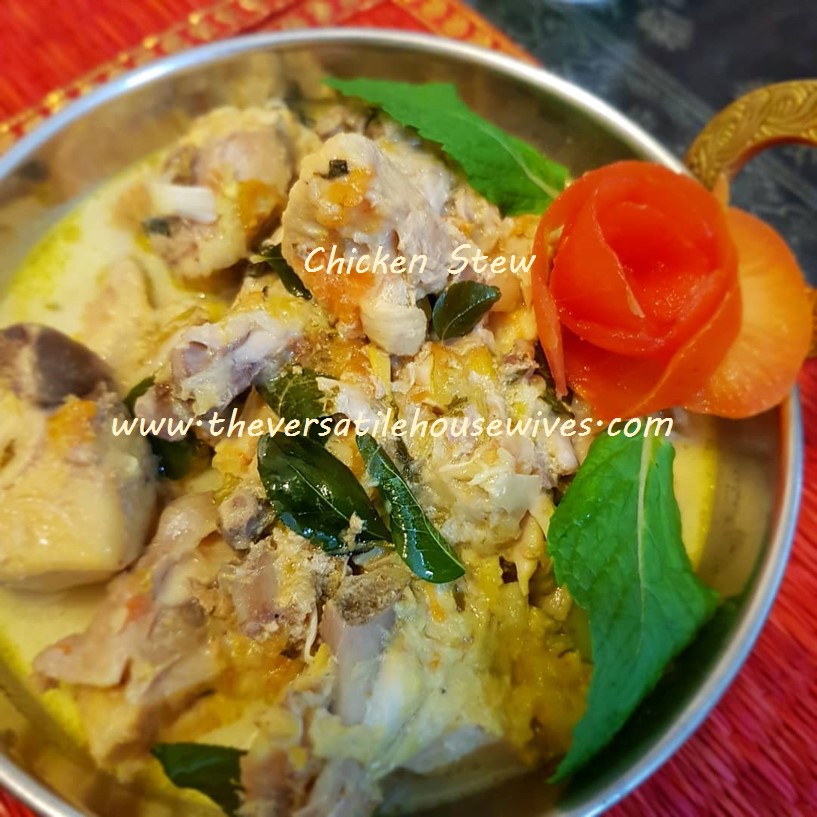
Coming back to stew, it was a hot favourite with us and my Mum perfected the art of making stew. Mangalorean Chicken Stew recipe is one made with chicken that tastes marvellous when paired with the right amount of coconut milk. I have made it in so many of my classes and it is a joy to see guests spoon the coconut milk on to their plates again and again.
The Recipe:
Mangalorean Chicken Stew
(Chicken cooked in coconut milk and flavoured with spices and other good things).
The Ingredients:
1 small chicken (1kg approximately). Remove the skin, cut into medium sized pieces, wash, drain and keep aside for use.
1/2 tsp. turmeric powder
1 onion, sliced fine
1 medium tomato chopped
2 green chillies slit
2 cloves garlic, minced fine
½ inch ginger, minced fine
2 cloves
1 inch cinnamon
2 cardamoms
1tbsp. vinegar
250 ml water
250 gm coconut powder mixed with 1 cup warm water or 1 cup coconut milk
salt to taste.
Seasoning:
1 small onion sliced
1 sprig curry leaves
2 tbsp oil
Heat oil in a non stick pan. Add curry leaves and then the onions. Stir fry till onions are dark brown. Keep aside.
Method:
Place all ingredients except coconut milk in a pan and bring to the boil. Lower fire, cover and cook on a medium flame for 10 minutes or till done. Add the coconut milk and bring to simmering point. Remove from fire. Add seasoning, stir gently and transfer to serving dish. Serve hot with Ginger Rice or bread.
NB:
1. Can add potatoes or vegetables like carrots, peas, beans, cauliflower etc if desired. Boil or blanch before adding the vegetables or they will become mushy. If using potatoes please boil them first.
- Avoid boiling coconut milk. It will curdle.
- The same recipe could be made with beef, lamb, eggs, white fish or a mixture of vegetables.
- If using a pressure cooker, pressure cook for 5 minutes only or chicken will be shredded to bits. Add 60 ml water only.



Leave a Reply
You must be logged in to post a comment.